
Lower Back Pain
Affects 80% of adults at some pointThe most common reason people visit a pain clinic. Your lower back pain might come from a worn-out disc, an inflamed joint in the spine (facet joint), strained muscles, or a pinched nerve. We use imaging and diagnostic injections to find the exact source — then target it directly, so you are not just masking the pain.

Neck Pain
Cervical facet joints cause up to 65% of chronic neck painNeck pain can radiate into your shoulders and arms, cause headaches, and limit your ability to turn your head. Common causes include cervical disc herniation, arthritis of the neck joints, whiplash injury, and pinched nerves. A precise diagnosis lets us target the right structure and avoid unnecessary surgery.

Sciatica
Epidural injections help 70–80% of patients avoid surgerySciatica is a sharp, shooting pain that travels from your lower back down through your buttock and into your leg. It happens when a herniated disc, bone spur, or narrowed spinal canal squeezes the sciatic nerve. Most people improve with the right targeted treatment — a study in the Journal of Bone & Joint Surgery found that 71% of patients who were candidates for surgery avoided it after receiving targeted epidural injections.
Available Treatments

Neuropathic Pain
Affects roughly 7–10% of the general populationNerve damage pain feels like burning, tingling, electric shocks, or numbness. It can come from diabetes (diabetic neuropathy), shingles (post-herpetic neuralgia), nerve injuries, or nerve compression. Standard painkillers often do not work well for nerve pain — that is why we offer specialized treatments that target the nervous system directly. For diabetic neuropathy, a major trial in The Lancet Neurology showed 79% of patients got at least 50% pain relief with spinal cord stimulation.
Arthritis & Joint Pain
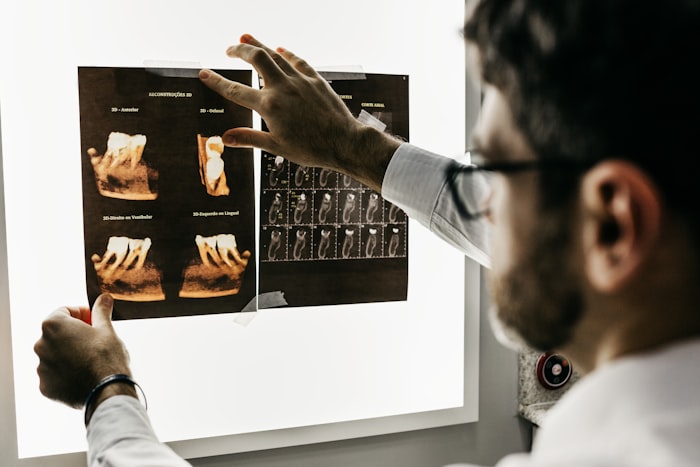
PRP therapy helps 60–80% of knee OA patientsArthritis — whether osteoarthritis from wear-and-tear or inflammatory arthritis — causes stiffness, swelling, and pain in your knees, hips, shoulders, and hands. When over-the-counter medications and physiotherapy plateau, we can inject treatments directly into the joint. PRP therapy uses your own blood to stimulate healing — a 2019 BMJ study of 14 trials found it outperformed both hyaluronic acid and placebo at 12 months. Cryoneurolysis can also freeze the pain-carrying knee nerves for 3–6 months of relief.

Fibromyalgia
Affects 2–4% of the population, mostly womenFibromyalgia causes widespread pain throughout the body, deep fatigue, sleep problems, and mental fogginess often called “fibro fog.” The pain comes from an overactive nervous system that amplifies normal signals — not from joint or tissue damage. No single treatment works alone. A combination approach using ketamine infusions (which can “reset” the overactive pain system), trigger point injections for localized muscle knots, psychological support, and graded exercise produces the best results.
Available Treatments

Complex Regional Pain Syndrome (CRPS)
69% of patients respond to ketamine infusionsCRPS produces severe, burning pain — usually in a hand, foot, arm, or leg — that is far worse than the original injury. The affected area often swells, changes colour, and becomes extremely sensitive to touch. Early, aggressive treatment is essential. A landmark trial in the New England Journal of Medicine showed that spinal cord stimulation combined with physiotherapy significantly outperformed physiotherapy alone. Ketamine infusion can also help “reset” the overactive pain circuits in the brain, with studies showing relief lasting about 11 weeks after a 4-day infusion course.

Migraines & Chronic Headaches
Occipital nerve blocks relieve 85% of patients initiallyChronic migraines, tension headaches, cluster headaches, and headaches originating from the neck (cervicogenic headaches) can be debilitating. When standard medications fall short, we can target the specific nerves involved. Occipital nerve blocks numb the nerves at the back of the head and show an 85% initial response rate in clinical studies. For severe, medication-resistant headaches, peripheral nerve stimulation — a tiny device placed near the occipital nerve — offers long-term relief.
Post-Surgical Pain (Failed Back Surgery)
SCS helps about 50% of failed back surgery patientsWhen pain persists or worsens after surgery — including failed back surgery syndrome and post-thoracotomy pain — it can feel hopeless. But there are effective options. The PROCESS trial showed that 48% of patients with failed back surgery got at least 50% pain relief with spinal cord stimulation, compared to only 9% with medications alone. Cryoneurolysis can also reduce post-surgical pain and opioid use by about 50%, according to a trial published in Anesthesiology.
Spinal Stenosis
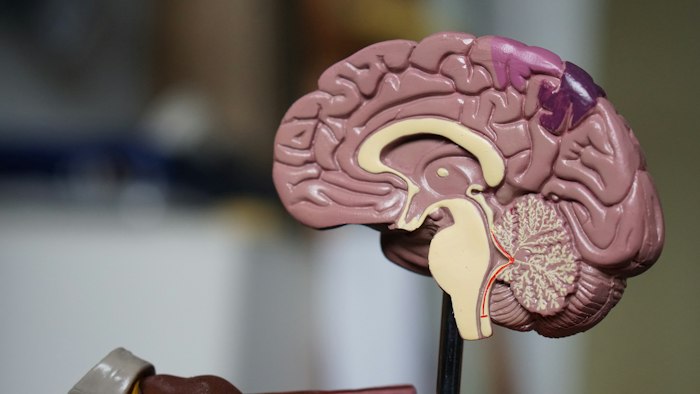
Most common in adults over 50Spinal stenosis means the space inside your spine has narrowed, squeezing the spinal cord and nerves. This causes pain, numbness, or weakness in your legs (lumbar) or arms (cervical), and often makes it hard to walk long distances. Epidural steroid injections can reduce the swelling around compressed nerves, creating a window for physiotherapy. When injections are not enough, spinal cord stimulation provides an alternative to surgery.
Available Treatments

Herniated Disc
71% of surgical candidates avoided surgery with injectionsA herniated (slipped or ruptured) disc occurs when the soft centre of a spinal disc pushes through a crack in the tougher outer casing. This presses on nearby nerves, causing pain, numbness, or weakness in your arm or leg. The good news: most herniated discs do not need surgery. Targeted epidural injections reduce the inflammation around the pinched nerve, and PRP therapy can support disc healing. A major study showed 71% of people who were initially told they needed surgery were able to avoid it after receiving transforaminal epidural injections.
Available Treatments

Cancer Pain
Interventional techniques reduce opioid need by 50–70%Pain from cancer or its treatment (surgery, chemotherapy, radiation) deserves expert care. Our goal is to reduce your suffering and minimize reliance on high-dose opioids. Nerve blocks can interrupt pain signals from tumours pressing on nerves. Celiac plexus blocks for abdominal cancers and intercostal blocks for chest wall pain are well-established techniques. Ketamine infusion and spinal cord stimulation offer options when other approaches plateau. We coordinate closely with your oncology team.

Sacroiliac (SI) Joint Pain
Accounts for 15–30% of lower back pain casesThe SI joint connects your lower spine to your pelvis. When it becomes inflamed or dysfunctional, it causes deep pain in the low back and buttock, often mistaken for sciatica or hip pain. SI joint problems are responsible for up to 30% of chronic lower back pain. A diagnostic injection into the joint confirms it as the source. If confirmed, radiofrequency ablation using cooled probes can provide relief lasting 6 months or more — a study showed 47% of patients achieved at least 50% pain reduction at 6 months versus only 12% with a sham procedure.
Available Treatments

Myofascial Pain Syndrome
Trigger point injections help 50–70% of patientsMyofascial pain comes from “trigger points” — tight, tender knots in your muscles that can send referred pain to other parts of your body. It is one of the most commonly overlooked causes of chronic pain. A review of 23 clinical trials found that the needle itself is the key therapeutic tool — by physically releasing the knot, blood flow is restored and the pain-spasm cycle is broken. Best results come when injections are combined with stretching and posture correction.
Available Treatments
Phantom Limb Pain
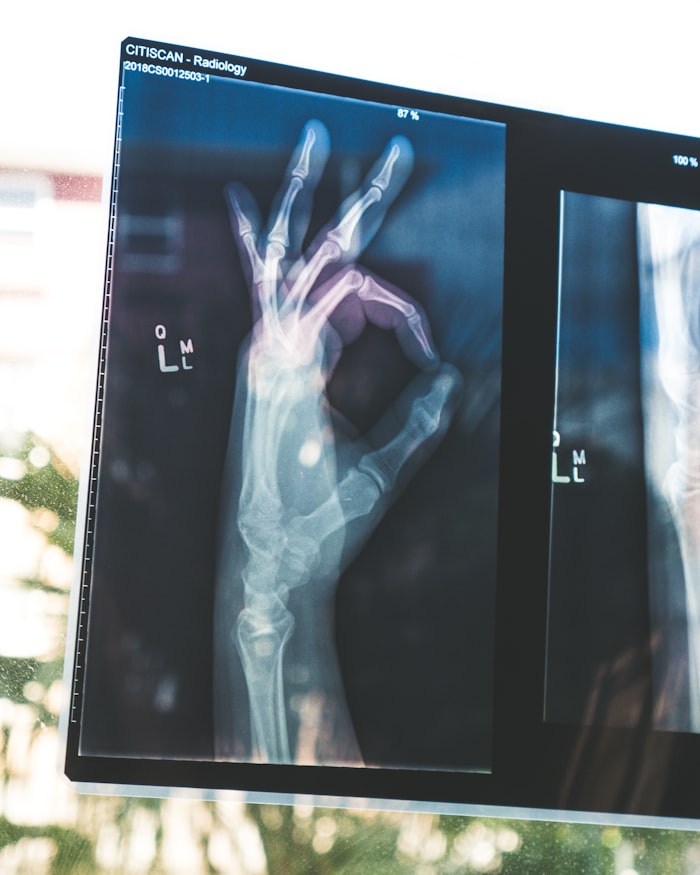
Affects 50–80% of amputeesAfter an amputation, many people feel real pain in the limb that is no longer there. This is not imagined — it is caused by the brain and spinal cord continuing to send and receive pain signals from nerves that were cut during surgery. Ketamine infusion therapy can interrupt these signals by blocking NMDA receptors in the brain, essentially “resetting” the pain processing system. Spinal cord and peripheral nerve stimulation can also modulate these signals at the nerve level.
Degenerative Disc Disease
RFA provides 6–12 months of relief per sessionAs we age, the discs between our vertebrae lose water content and height, sometimes causing chronic aching back or neck pain. Despite the name, it is not really a “disease” — it is a normal part of aging that becomes painful in some people. When the worn discs irritate nearby facet joints or nerves, we can target those structures directly. Radiofrequency ablation of the facet joint nerves provides 6–12 months of relief and can be safely repeated. PRP and prolotherapy can also support disc and ligament healing.

Occipital Neuralgia
85% of patients respond to occipital nerve blocksOccipital neuralgia causes piercing, throbbing, or electric-shock-like pain in the back of the head, upper neck, and behind the ears. It is caused by irritation or injury to the occipital nerves that run from the top of the spinal cord up through the scalp. Occipital nerve blocks — a quick injection of numbing medication and anti-inflammatory around the nerve — provide relief in about 85% of patients, lasting 1–3 months. For long-term control, cryoneurolysis freezes the nerve for 3–6 months of relief, and peripheral nerve stimulation offers a permanent implantable option.
Available Treatments
Whiplash & Post-Traumatic Pain
Cervical RFA provides a median of 9 months reliefWhiplash occurs when your head is suddenly thrown forward and backward, commonly in car accidents. This damages the soft tissues, facet joints, and discs in your neck. While most whiplash resolves within weeks, up to 50% of people develop long-term neck pain. A landmark study in the New England Journal of Medicine proved that radiofrequency ablation of the damaged cervical facet joint nerves provided a median of 263 days (about 9 months) of relief, compared to just 8 days with a placebo procedure. This is preceded by diagnostic medial branch blocks to confirm the source.